Social life and relationships
Social connections aren’t merely pleasant additions to life—they’re fundamental pillars of health and wellbeing, particularly as we age. Research consistently demonstrates that seniors with robust social networks experience better physical health, sharper cognitive function, and significantly improved mental wellbeing compared to those facing isolation. Yet maintaining these connections often becomes more challenging precisely when they matter most.
The landscape of senior social life encompasses far more than casual friendships. It includes the physical capabilities that enable participation, the emotional resilience to reach out, the community structures that facilitate connection, and the meaningful roles that provide purpose. This comprehensive exploration examines how hearing health, physical activities, community engagement, and family relationships intersect to create a fulfilling social life in later years.
Understanding these elements empowers you to take intentional steps towards maintaining and enriching your social world, regardless of the obstacles you might face.
Why Social Connection Matters for Senior Health
The health implications of social isolation are profound and quantifiable. Studies have found that loneliness carries health risks comparable to smoking 15 cigarettes daily, affecting cardiovascular health, immune function, and inflammation levels throughout the body. The consequences extend beyond physical health into cognitive and emotional domains.
Social engagement activates multiple protective mechanisms simultaneously. Meaningful conversations stimulate cognitive function, physical activities with others encourage movement, and emotional support buffers against stress. Even seemingly simple interactions—a chat at the corner shop, a weekly card game, or helping a neighbour—trigger biological responses that lower cortisol, reduce blood pressure, and strengthen immune response.
The quality of connections matters significantly more than quantity. Research consistently shows that three close, trusted friends provide greater longevity benefits than a hundred casual acquaintances. These deeper relationships offer reciprocal support, genuine understanding, and the comfort of being truly known by another person.
Hearing Health: The Hidden Key to Social Engagement
Untreated hearing loss represents one of the most insidious barriers to social connection, yet it often goes unaddressed for years. The impact extends far beyond simply missing words in conversation—it fundamentally alters how people engage with their social world.
The Social Consequences of Hearing Loss
When you struggle to follow conversations, particularly in noisy environments like restaurants or social gatherings, a predictable pattern emerges. You begin avoiding these situations, citing fatigue or preference for quiet. This withdrawal feels like a personal choice, but it’s actually a rational response to an exhausting, frustrating experience. The phenomenon known as “Dinner Party Syndrome” describes how hearing difficulties in group settings lead to social withdrawal and, ultimately, depression.
The cognitive load of straining to hear also leaves less mental capacity for processing meaning and formulating responses. Conversations become work rather than pleasure, accelerating the drift towards isolation.
Addressing Hearing Loss Proactively
Regular hearing assessments become increasingly important as we age, particularly for those who worked in loud industries. Modern digital hearing aids have evolved dramatically, offering discreet solutions that integrate seamlessly into daily life. The choice between invisible aids and behind-the-ear models often depends on dexterity considerations—a crucial factor that your audiologist can help you navigate.
Consider your hearing test not merely as a medical appointment, but as perhaps the most important social appointment of the year. Addressing hearing loss early prevents the cascade of social withdrawal and opens doors to continued participation in the activities and relationships that enrich life.
Physical Activities That Build Community
Physical activity and social connection need not be separate pursuits. Activities that combine movement with companionship deliver dual benefits while making exercise feel less like obligation and more like pleasure.
Golf as a Social and Physical Practice
Golf exemplifies how a physical activity can anchor social life. The structure of the game naturally facilitates conversation during the four to five hours spent on the course. The famous “19th hole”—the clubhouse gathering after play—often proves as valuable for wellbeing as the exercise itself, providing consistent social contact and a sense of belonging.
For seniors concerned about physical limitations, the game accommodates adaptation. Whether you carry, use a trolley, or ride a buggy depends on what balance of effort suits your cardiovascular health and physical capabilities. Senior handicap systems and technique adjustments allow continued participation even as your swing slows, ensuring the game remains accessible and enjoyable throughout later life.
The green space effect also matters significantly. Spending four hours on the course can measurably lower cortisol levels, combining the stress-reducing benefits of nature exposure with gentle exercise and social engagement.
Joining Activity Groups as a Solo Senior
Integrating into an established group when you’re arriving alone requires courage, but clubs and activity groups genuinely benefit from fresh members. Most organisations have welcoming protocols specifically designed to help newcomers feel comfortable. The key is selecting activities that match your genuine interests rather than choosing based solely on proximity or convenience.
Recognising and Addressing Loneliness
Loneliness differs fundamentally from being alone. You can feel profoundly lonely in a crowded room or perfectly content in solitude. The critical factor is the gap between your desired and actual level of meaningful connection.
When Does Preference Become Isolation?
The transition from valuing quiet time to problematic isolation occurs gradually and often invisibly. Cancelling plans occasionally is normal; consistently cancelling because you’ve lost confidence in social situations signals a concerning pattern. When “preferring quiet” becomes your default response to all invitations, it’s worth examining whether fear rather than preference drives the decision.
The confidence gap—that anxiety about entering a crowded room or joining a conversation—affects many seniors but rarely gets discussed openly. Recognising this as a common, addressable challenge rather than a personal failing represents the first step towards reconnection.
Taking the First Step Back
Admitting loneliness requires substantial courage in a culture that often equates social isolation with personal failure. Yet this admission represents strength, not weakness. It’s the necessary first step that allows you to take deliberate action towards reconnection.
Starting small often works best. Before attempting large social gatherings, reconnect through structured, time-limited activities: a weekly class, a regular shopping trip with a neighbour, or volunteering for a specific task. These provide social contact with clear boundaries, making them less overwhelming than open-ended social situations.
Creating Your Circle of Meaningful Relationships
Building and maintaining meaningful relationships in later life requires intentionality and the willingness to adjust long-held assumptions about social connection.
Mapping Your Circle of Care
Before you actually need help, mapping your circle of care provides clarity about who you can rely on and where gaps exist. This isn’t merely a practical exercise—it’s an opportunity to strengthen existing relationships and identify where new connections might be valuable. Your circle includes family, friends, neighbours, and professionals, each playing different but important roles.
The exercise often reveals surprising resources. That neighbour you greet but rarely speak with might welcome deeper connection. The professional whose services you use might provide more comprehensive support than you realised. Paid companionship sometimes represents a valuable supplement rather than a failure of family or friendship.
The Reciprocity Principle
Many seniors resist asking for help, fearing they’ll become a burden. This “burden myth” fundamentally misunderstands how relationships work. Asking neighbours for assistance often strengthens bonds rather than weakening them. Humans generally find meaning in being useful to others; allowing someone to help you provides them an opportunity to feel valued and needed.
Equally important is maintaining your own usefulness within your social network. Even with physical limitations, you can offer different forms of support: listening, advice, humour, or simply reliable companionship. Friendship doesn’t require symmetrical exchanges—it requires mutual care expressed through whatever means each person can offer.
The Importance of a Third Place
Beyond home and medical appointments, you need a “third place”—a regular venue that provides purpose, routine, and social contact. This might be a lunch club, a history group, a community centre, or a place of worship. The specific venue matters less than the consistency of attendance and the sense of belonging it provides.
Matching your personality to the right type of group significantly improves the likelihood of sustained participation. Introverts might prefer smaller, structured groups with clear activities, while extroverts may thrive in larger, more fluid social settings.
Finding Purpose Through Community Involvement
Active participation in community organisations provides benefits beyond passive social contact. Taking responsibility, whether as treasurer, chair, or event coordinator, significantly boosts self-esteem and provides renewed sense of purpose.
The University of the Third Age
Organisations like the University of the Third Age demonstrate that continued learning and intellectual engagement aren’t reserved for traditional academics. These programmes welcome everyone with curiosity and the desire to explore new subjects alongside peers. The learning itself matters, but so does the structure, routine, and community it provides.
Practical Considerations for Participation
Transport often represents a significant barrier to community involvement, particularly in rural areas where public transport may be limited or non-existent. Services like Dial-a-Ride exist specifically to address this challenge, providing door-to-door transport to social activities and appointments. Investigating these resources proactively, before you absolutely need them, ensures they’re available when required.
Walking into a room of strangers remains challenging regardless of age or experience. Having prepared scripts—simple phrases to introduce yourself or join a conversation—reduces anxiety and increases the likelihood you’ll follow through on attending that first meeting.
The Joy of Grandparenting and Intergenerational Bonds
Relationships with grandchildren and younger family members provide unique rewards while also presenting distinctive challenges that require navigation with care and wisdom.
Modern Grandparenting Dynamics
Today’s grandparenting often occurs across significant distances, requiring adaptation to technology-mediated connection. Video calls for bedtime stories, even with grandchildren in Australia or across continents, maintain bonds that geography might otherwise weaken. The effort to learn these technologies demonstrates commitment that grandchildren recognise and appreciate.
Gaming platforms like Minecraft and Roblox might seem alien, but allowing grandchildren to teach you their interests reverses traditional hierarchies in ways that strengthen mutual respect. You’re modelling lifelong learning while gaining genuine insight into their world.
Wisdom Versus Lectures
Advising teenagers without triggering their resistance requires restraint and tactical awareness. Sharing experiences works better than prescribing solutions. Asking questions rather than delivering pronouncements invites dialogue rather than defensiveness. The goal is maintaining open communication channels, not winning arguments about decisions ultimately not yours to make.
Boundaries and the Babysitting Question
The “free babysitter trap” catches many grandparents who struggle to establish boundaries with adult children. Regular childcare certainly can strengthen bonds with grandchildren, but resentment builds when expectations become excessive or assumptions replace requests. Learning to say no without guilt requires recognising that your time, energy, and prior commitments matter. Clear, kind boundaries typically strengthen family relationships rather than damaging them.
Recording your personal history for grandchildren creates lasting legacy while also providing immediate connection. The key is telling stories they actually want to hear—usually those revealing your humanity, mistakes, and growth rather than airbrushed success narratives.
Social life and relationships in later years require conscious cultivation, but the investment pays dividends in every dimension of health and wellbeing. Whether you’re addressing hearing loss, joining a community group, rebuilding after widowhood, or deepening bonds with grandchildren, each step towards connection enriches not only your own life but also the lives of those you engage with. The path forward begins with recognising that meaningful social connection isn’t a luxury—it’s a fundamental component of healthy aging.
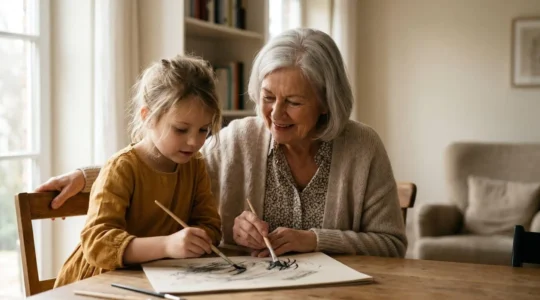
How to Be a “Cool” Grandparent Without Losing Your Authority?
The modern grandparent’s dilemma isn’t just about staying relevant; it’s about navigating the fine line between being a friend and a figure of wisdom. The solution isn’t to learn TikTok dances but to intentionally shift the family dynamic. This guide…
Read more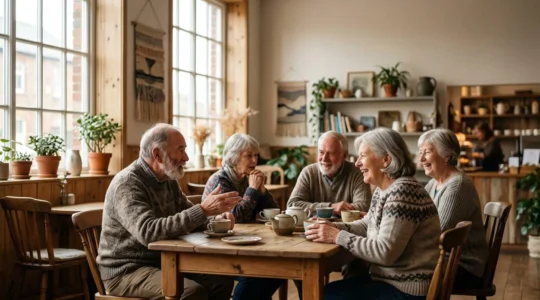
Why You Need a “Third Place” That Isn’t Home or the Doctor’s?
Retirement removes the built-in community of work, creating a void that can be as detrimental to your health as a serious physical ailment. Chronic loneliness is not just a feeling; it’s a physiological stressor that significantly increases the risk of…
Read more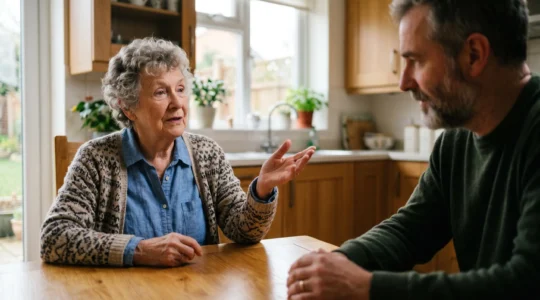
How to Map Your “Circle of Care” Before You Actually Need It
In summary: Building a support network is a proactive strategy to preserve independence, not a sign of weakness. Asking for small, specific favors actually strengthens relationships rather than straining them. Delegate low-joy tasks (like cleaning) to “buy back” energy for…
Read more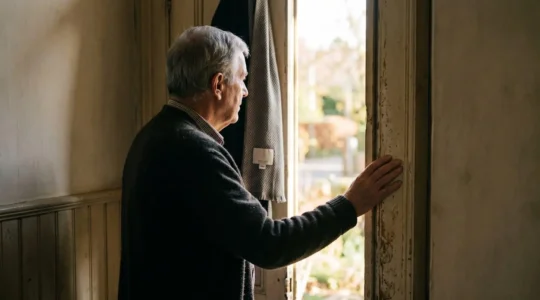
How to Admit You Are Lonely and Take the First Step Back to Society?
The common advice to ‘just join a club’ often fails because it ignores the first, most difficult step: overcoming the shame and fear of re-entry. This guide focuses on rebuilding ‘social muscle’ through private, low-pressure rehearsals. It provides a ladder…
Read more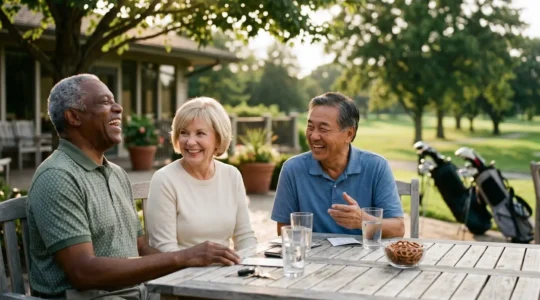
Why the 19th Hole Is Just as Important for Your Health as the First 18?
Contrary to what many dedicated golfers believe, a declining handicap isn’t a sign of failure; it’s an opportunity to unlock the most powerful health benefit of the game: the profound social connection of the 19th hole. The game provides proven…
Read more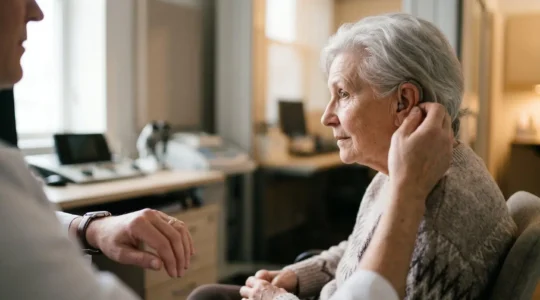
Why Is Your Hearing Test the Most Important Social Appointment of the Year?
The exhaustion you feel after social events isn’t a personal failing; it’s a neurological symptom of untreated hearing loss called ‘cognitive load’. Untreated hearing loss forces your brain to work overtime just to decode sound, draining your mental energy and…
Read more