Health in balance
Health in balance isn’t about perfection—it’s about awareness. As we age, our bodies shift in predictable yet deeply personal ways. Blood pressure creeps upward, inflammation becomes more persistent, bones lose density, and hormones recalibrate. The difference between thriving in your later years and merely managing decline often comes down to understanding which markers matter most and knowing how to respond when they drift off course.
This article serves as your foundation for understanding the five interconnected pillars of senior health: vital sign monitoring, inflammation control, hormone balance, blood pressure management, and bone protection. Each section introduces core concepts, explains why they matter specifically after 60, and points you toward practical, evidence-based strategies grounded in the UK healthcare context. Whether you’re newly retired or supporting an older loved one, this comprehensive overview will equip you with the knowledge to take informed action.
Monitoring Your Body’s Vital Markers
Most people over 65 visit their GP regularly, yet few understand which measurements truly predict future health problems. Recent research has upended conventional wisdom: grip strength, for instance, now appears to be a more reliable predictor of mortality than traditional markers like blood pressure alone. This doesn’t mean blood pressure is unimportant—rather, it highlights how interconnected your body’s systems truly are.
The five vital signs every UK senior should track weekly include blood pressure, resting heart rate, oxygen saturation (measured with a pulse oximeter), weight trends, and grip strength. Oxygen saturation deserves special attention during colder months. If you have cold hands, a common issue in British winters, your pulse oximeter may give falsely low readings. Warming your hands for five minutes before measurement ensures accuracy—a small detail that prevents unnecessary anxiety.
Understanding breathlessness is equally crucial. When climbing stairs leaves you winded, is it simply deconditioning from reduced activity, or could it signal early heart failure? The key distinction lies in pattern: breathlessness that worsens when lying flat, causes nighttime coughing, or appears alongside ankle swelling warrants urgent GP review. Breathlessness from deconditioning improves gradually with gentle, regular activity.
Managing Inflammation Naturally
Chronic low-grade inflammation acts as a hidden accelerant for nearly every age-related condition—from arthritis and fatigue to cardiovascular disease and cognitive decline. Unlike acute inflammation (the redness and heat after an injury), this persistent internal fire burns silently, measurable only through blood markers like C-reactive protein (CRP) and erythrocyte sedimentation rate (ESR).
Elevated CRP doesn’t just indicate inflammation—it predicts it. A high ESR result often correlates with that persistent fatigue you can’t shake, the joint stiffness that lingers past morning, or the general sense of feeling unwell without obvious cause. The encouraging news: inflammation responds remarkably well to dietary intervention using ingredients readily available in British supermarkets.
The Anti-Inflammatory Pantry
Oily fish like mackerel and sardines, leafy greens, berries, walnuts, and extra virgin olive oil form the cornerstone of an anti-inflammatory eating pattern. The Mediterranean diet, adapted for a Scottish winter, might swap fresh tomatoes for tinned (equally nutritious), use frozen vegetables when fresh options are costly, and incorporate warming soups packed with pulses and root vegetables. The principle remains: prioritise whole foods over processed options.
The Beige Diet Trap
Many seniors unknowingly follow what nutritionists call the “beige diet”—bread, biscuits, potatoes, pastries, and processed cereals. These refined carbohydrates spike blood sugar and trigger inflammatory cascades. Adding colour to your plate (purple cabbage, orange squash, dark berries) isn’t just aesthetic—it’s biochemical insurance against inflammation.
Turmeric Versus Ibuprofen
For long-term inflammation control, the safety profile differs dramatically between these options. While ibuprofen effectively reduces pain, regular use carries risks of gastric bleeding and kidney strain, particularly concerning for older adults. Curcumin (turmeric’s active compound), especially when combined with black pepper for absorption, offers gentler anti-inflammatory effects suitable for daily use. Neither replaces proper medical treatment, but for managing chronic low-level inflammation, dietary approaches often prove safer over months and years.
Understanding Your Hormone Balance
Hormones don’t simply switch off after menopause or andropause—they recalibrate, sometimes creating unexpected effects decades later. That persistent tiredness you experience might stem from thyroid dysfunction, inadequate vitamin D, disrupted cortisol rhythms, or simply the accumulated effects of ageing. Distinguishing between these requires understanding how each hormone system behaves.
Thyroid Function Versus Normal Ageing
An underactive thyroid (hypothyroidism) mimics many ageing symptoms: fatigue, weight gain, cold sensitivity, dry skin, and cognitive slowing. The crucial differences: thyroid problems cause disproportionate cold intolerance (wearing jumpers in summer), unexplained constipation, hair thinning from the outer eyebrows, and fatigue unrelieved by rest. A simple TSH blood test through your GP resolves the uncertainty.
The Cortisol-Bone Connection
Chronic stress elevates cortisol, which directly accelerates bone density loss by interfering with calcium absorption and reducing bone formation. For seniors already facing age-related bone loss, sustained high cortisol acts as an additional drain on skeletal strength. Stress management isn’t a luxury—it’s structural maintenance for your skeleton.
Vitamin D: The UK Deficiency
Current NHS guidance recommends 10 micrograms daily for adults, yet accumulating evidence suggests this may be insufficient for optimal bone health, immune function, and mood regulation in older adults, particularly given Britain’s limited sunlight from October through March. Many specialists now suggest 25 micrograms daily during winter months, though individual needs vary. Testing your vitamin D level provides personalised clarity.
Hormone Replacement Therapy Later in Life
Starting HRT at 65 remains controversial. While it may offer bone protection and symptom relief, cardiovascular risks increase when initiated many years post-menopause. The “window of opportunity” hypothesis suggests HRT works best when started during the menopausal transition. Individual circumstances—family history, existing cardiovascular health, symptom severity—determine whether benefits outweigh risks. This decision requires thorough GP consultation, not internet advice.
Controlling Blood Pressure Effectively
Approximately five million people across the UK have undiagnosed hypertension. High blood pressure causes no symptoms until it triggers a stroke, heart attack, or kidney damage—hence its nickname, the “silent killer.” Yet controlling it need not mean sacrificing culinary pleasure or abandoning beloved Sunday roasts.
The Salt Hidden in British Comfort Food
The average UK adult consumes 8-9 grams of salt daily, nearly double the recommended 5-gram limit. Surprisingly, most doesn’t come from your salt shaker—it’s hidden in bread, ready meals, bacon, cheese, and stock cubes. Supermarket ready meals can spike blood pressure within 30 minutes through their sodium load combined with refined carbohydrates. Reading labels becomes essential: anything exceeding 1.5g salt per 100g qualifies as high-salt.
Flavour Without Sodium
Reducing salt without losing flavour requires retraining taste buds (which adapt within 3-4 weeks) and embracing alternative seasonings. Garlic, herbs, lemon juice, black pepper, smoked paprika, and nutritional yeast add depth to dishes. That Sunday roast remains perfectly feasible: season the meat with herbs and garlic rather than salt, roast vegetables with olive oil and rosemary, and make gravy using reduced wine and herbs instead of stock cubes.
Home Monitoring Versus Surgery Readings
Many people experience “white coat hypertension”—elevated readings at the surgery that don’t reflect typical levels. Conversely, some have masked hypertension—normal surgery readings but elevated pressure at home. Home monitoring, done correctly (seated, arm supported at heart level, after five minutes rest), provides more accurate data for treatment decisions. The NHS now encourages home monitoring, with many surgeries lending monitors.
Timing Matters
Blood pressure follows circadian rhythms, typically lowest during sleep and peaking mid-morning. The most dangerous time for cardiovascular events is between 6 AM and noon, when pressure surges as you wake. This “morning surge” can be exaggerated in some individuals, making morning medication timing particularly important. Evening measurements, while useful for tracking trends, may miss this critical peak.
Protecting Your Bone Health
Bone density doesn’t simply decline—it plummets during specific windows. Women lose approximately 20% of bone density during the first five years post-menopause, a rate far exceeding subsequent loss. Men experience more gradual decline but still face significant fracture risk after 70. The statistic every over-75 should know: one in three women and one in five men will fracture a hip, and among those who do, nearly a third die within a year from complications.
The Calcium Paradox
Taking calcium supplements alone can be useless—or worse, potentially harmful if it deposits in arteries rather than bones. Vitamin K2 directs calcium into bones and teeth while keeping it out of soft tissues. Vitamin D3 enables calcium absorption from the gut. This trio works synergistically: calcium provides raw material, D3 ensures absorption, and K2 directs traffic. Supplementing one without the others misses the point.
Weight-Bearing Exercise: What Actually Works
Walking offers cardiovascular benefits and maintains general fitness, but its bone-building capacity remains limited because bones strengthen only when stressed beyond normal loads. You needn’t lift heavy weights in a gym—resistance bands, bodyweight exercises (squats, wall press-ups, heel raises), or carrying shopping bags all stress bones sufficiently to trigger strengthening. Even gentle progressive resistance, performed consistently three times weekly, stimulates bone formation.
Bisphosphonates: Weighing the Trade-offs
These medications significantly reduce fracture risk by slowing bone breakdown. However, they carry potential side effects: digestive upset, rare jaw problems (osteonecrosis), and very rarely, atypical fractures after many years of use. For someone with established osteoporosis and high fracture risk, benefits typically outweigh risks. For borderline osteopenia in a healthy 68-year-old, lifestyle interventions might suffice. This decision depends on individual fracture risk calculation (FRAX score) and requires shared decision-making with your GP.
The Foundation: Lifestyle and Daily Habits
All the monitoring and medical interventions mean little if foundational habits undermine them. Two lifestyle factors—sedentary behaviour and sleep disruption—exert outsized influence on every health pillar discussed above.
Sitting for four hours watching television changes your insulin sensitivity measurably, even if you exercise earlier that day. Prolonged sitting triggers metabolic shifts distinct from lack of exercise—breaking up sitting with brief movement every 30 minutes matters as much as structured activity. Simple strategies work: standing during adverts, folding laundry while watching, or choosing armchairs that encourage shifting position.
Sleep architecture changes with age—lighter sleep, more frequent waking, advanced timing (early to bed, early to rise). Yet waking at 4 AM and being unable to return to sleep signals circadian disruption, not inevitable ageing. Resetting your body clock requires consistency: fixed wake times (even weekends), bright light exposure within an hour of waking, limiting evening screen time, and keeping bedrooms cool and dark. Avoid clock-watching when awake—it triggers anxiety that further disrupts sleep.
Health in balance emerges not from perfect adherence to complex protocols, but from understanding which markers matter, measuring them consistently, and adjusting course when they drift. The interconnections matter most: controlling inflammation helps blood pressure, adequate vitamin D supports bone density and mood, and quality sleep regulates hormones. Start with one pillar, build competence and confidence, then expand. Your later years can be characterised by vitality and independence—but only if you know what to watch and how to respond.

How to Prevent a Hip Fracture When You Have Low Bone Density?
The common narrative about bone loss is wrong: your bones are not fragile objects doomed to fail, but a dynamic, living system you can actively command to become stronger. Bone health isn’t just about calcium; it’s about directing that calcium…
Read more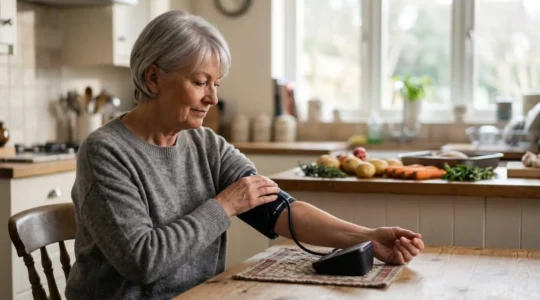
How to Lower Hypertension Without Giving Up Your Sunday Roast?
In summary: Managing blood pressure doesn’t mean abandoning traditional British meals; it means making smart, flavour-focused adaptations. Home blood pressure monitoring is more reliable than you think and is crucial for avoiding the “white coat” effect at the GP. The…
Read more
Why Are Your Hormones Making You Tired Even After Menopause?
Contrary to common belief, post-menopausal fatigue is rarely just about ‘getting older’ or low oestrogen; it’s a signal of a complex endocrine system in a new state of balance. Your thyroid function can be suppressed by hormonal shifts, even if…
Read more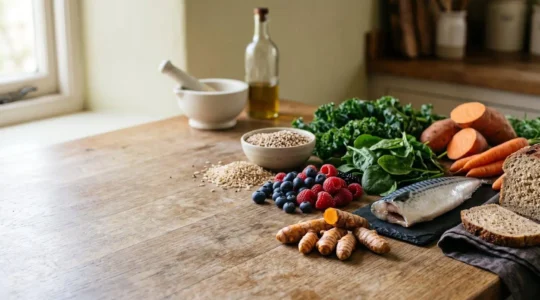
How to Lower Your CRP Levels Using Ingredients from a British Supermarket?
High inflammation isn’t a life sentence—it’s a signal that your diet needs a simple, British-supermarket-friendly upgrade. Long-term use of common painkillers like ibuprofen carries significant risks for kidney health in seniors. Essential nutrients for bone health, like calcium, are ineffective…
Read more
What Are the 5 Vital Signs Every UK Senior Should Track Weekly?
For UK seniors, true health is measured not by weight but by functional capacity; unconventional metrics like grip strength are more predictive of future health and mortality than traditional signs like blood pressure. Muscle health (grip strength, rate of muscle…
Read more