Living well at home
Your home is more than four walls and a roof—it’s the keeper of your memories, the stage for your daily rituals, and the foundation of your independence. Yet as our bodies change with age, the spaces we’ve navigated effortlessly for decades can suddenly present unexpected challenges. A hallway becomes a potential hazard in dim light. A doorknob that once turned easily now tests arthritic fingers. The bathroom that served you well for years may require a rethink as balance becomes less certain.
Living well at home isn’t about accepting limitations—it’s about intelligent adaptation. Research shows that remaining in familiar surroundings can extend cognitive function significantly compared to institutional settings, while preserving the autonomy that gives life meaning. The difference between thriving at home and struggling often comes down to understanding which modifications matter most, when to implement them, and how to maintain the character of your space while enhancing its safety. This comprehensive resource brings together the essential knowledge you need to make informed decisions about fall prevention, accessibility upgrades, lighting improvements, bathroom adaptations, and care options that keep you confidently independent.
Why Staying in Your Own Home Matters for Your Brain and Wellbeing
The benefits of aging in place extend far beyond simple preference. Familiar environments provide constant cognitive stimulation through established routines, spatial memory reinforcement, and the autonomy to make daily choices. Studies tracking cognitive function over extended periods have found that seniors who remain in their own homes maintain sharper mental acuity compared to those who transition to institutional care settings—with differences measurable over several years.
This cognitive advantage stems from multiple factors. Navigating familiar spaces exercises spatial memory. Maintaining household routines requires executive function. Making independent choices about meals, activities, and daily schedules keeps decision-making pathways active. When you move to an institutional setting, many of these choices disappear—meals arrive at set times, activities follow predetermined schedules, and the environment is standardised rather than personally meaningful.
Beyond cognition, autonomy preservation profoundly affects quality of life. The ability to wake when you choose, eat what you fancy, receive visitors on your own terms, and maintain privacy creates a sense of control that institutional settings struggle to replicate. This autonomy isn’t merely psychological comfort—it’s a fundamental component of wellbeing that influences everything from sleep quality to appetite to social engagement.
Fall Prevention: The Foundation of Safe Independent Living
Falls represent the single greatest threat to independent living, yet most are preventable through straightforward environmental modifications and awareness. Understanding the primary culprits allows you to address risks systematically rather than reactively.
The Hidden Dangers Underfoot
Rugs cause a disproportionate number of falls in British homes—accounting for roughly 40% of living room incidents. Throw rugs are particularly treacherous because they combine tripping edges with slippery backing. Even fitted carpets present considerations: thick pile that once felt luxurious can catch toes, while worn carpet on stairs creates slip risks. The solution isn’t necessarily removing all soft flooring, but rather securing edges with proper underlays, eliminating small scatter rugs entirely, and ensuring carpet remains in good repair.
Footwear Choices That Affect Your Stability
What you wear on your feet dramatically influences fall risk, yet many people default to slippers indoors without considering the implications. Slippers versus shoes isn’t a simple choice—it depends on your flooring and your gait stability. On carpet, supportive slippers with backs and grip soles work well. On tiles or hardwood, shoes with rubber soles provide superior traction. Backless slippers create shuffle-walking patterns that increase trip risk, while socks alone on smooth floors are particularly hazardous.
Navigating Darkness Safely
The midnight toilet trip represents a perfect storm of fall risks: darkness, sleepiness, potential medication effects, and rushing. Successfully navigating this nightly hazard requires multiple strategies. Motion-activated nightlights that illuminate your path without requiring switches prevent stumbling in darkness. Keeping a clear, obstacle-free route from bed to bathroom eliminates navigation hazards. Some people find keeping a torch by the bedside provides control without installing new lighting, though automated solutions require less conscious effort when half-asleep.
When Falls Do Happen
Despite precautions, falls can occur. Knowing the “crawl to a chair” recovery technique can mean the difference between a few uncomfortable minutes and hours on the floor. The method involves rolling onto your side, getting onto hands and knees, crawling to a sturdy chair or furniture piece, placing your hands on the seat, bringing your stronger leg forward with foot flat, and pushing up. Practicing this technique when you’re well ensures the movements are familiar if you ever need them urgently.
Making Your Home Accessible Without Hospital Aesthetics
Accessibility modifications often conjure images of clinical, institutional spaces—but thoughtful adaptations can enhance both function and aesthetics. The key lies in understanding which changes deliver the greatest benefit and selecting products that complement rather than compromise your home’s character.
Door and Window Hardware That Works With Arthritis
Round doorknobs require a twisting grip that grinds arthritic joints, while lever handles operate with a simple push that distributes force across your palm rather than concentrating it in stressed finger joints. This single modification—replacing knobs with levers—often represents the first step toward an arthritis-friendly home. Modern lever designs span from sleek contemporary styles to period-appropriate options that suit Victorian or Edwardian properties, meaning you needn’t sacrifice aesthetics for function.
Window latches present similar challenges. Casement windows with stiff mechanisms can become impossible to operate as hand strength diminishes. Replacement latches with extended handles provide mechanical advantage, while regular maintenance with appropriate lubricants can restore ease of operation to existing hardware.
Retrofitting Period Properties
Victorian terraces present unique challenges—solid walls that complicate grab rail installation, narrow hallways that limit manoeuvrability, and steep staircases that increase fall consequences. Yet these homes can be successfully adapted while preserving their character. The strategy involves identifying which original features are negotiable and which define the property’s essence, then finding creative solutions that respect architectural heritage while meeting modern accessibility needs.
Financial Support for Adaptations
Many necessary modifications qualify for financial assistance through Disabled Facilities Grants, which can provide substantial funding for essential adaptations. Successfully securing these grants requires understanding eligibility criteria, providing appropriate medical evidence, and working with approved contractors. Additionally, VAT relief applies to many accessibility products when installed for someone with qualifying conditions, potentially saving considerable amounts on larger projects.
Bathroom Safety: Where Most Home Accidents Happen
Bathrooms combine hard surfaces, water, and movements that challenge balance—making them statistically the most dangerous rooms in the house. Adapting this space appropriately can dramatically reduce injury risk while maintaining dignity and independence.
Walk-In Showers Versus Wetrooms
Eliminating the need to step over a bath edge immediately reduces fall risk, but the choice between a shower tray or wetroom installation depends on your long-term needs. Shower trays with low-profile access work well for ambulatory users and cost less to install. Wetrooms with completely level access accommodate future wheelchair use and create a more spacious feeling, but require more extensive structural work and waterproofing. If your home is single-story and you plan to remain long-term, the wetroom investment often proves worthwhile.
Grab Rails Positioned for Maximum Support
Grab rails only help if they’re positioned where you actually need support. Vertical rails assist with standing movements, while horizontal rails help with balance while stationary. Most people benefit from an angled rail positioned to support the transition from standing to sitting, typically placed on the wall opposite the shower controls. Installation into solid walls or proper blocking is essential—decorative rails that pull away under stress are worse than useless.
Shower Seating and Temperature Safety
Fold-down seats save space but require wall strength to support body weight safely. Freestanding seats offer stability without installation but occupy floor space permanently. Both solve the fatigue issue that makes standing showers challenging as stamina decreases. Pair seating with thermostatic mixing valves that prevent dangerous temperature fluctuations—particularly important as sensation diminishes with age and certain medical conditions, reducing your ability to detect scalding water before injury occurs.
Lighting Solutions for Aging Eyes
Vision changes significantly with age, yet most homes are lit for younger eyes. The illumination that seemed adequate at 40 often proves woefully insufficient at 70, contributing to trips, falls, and difficulty with detailed tasks. Understanding how lighting needs evolve allows you to adapt effectively.
Why Your Bulbs Need an Upgrade
The lenses in our eyes yellow and stiffen with age, reducing the amount of light reaching the retina. By age 70, your eyes may require three times more light than at age 20 to see the same detail. That 60-watt bulb that once illuminated your reading chair adequately may now leave you squinting. Upgrading to higher-lumen LED bulbs provides the brightness aging eyes require while using less energy than old incandescent bulbs.
Colour Temperature for Function and Comfort
Warm white versus cool white isn’t just aesthetic preference—it affects task performance. Cool white light (4000-5000K) enhances reading and detailed work by providing crisper contrast, while warm white (2700-3000K) creates comfortable ambient lighting for relaxation areas. Daylight bulbs (5000-6500K) can help compensate for reduced outdoor exposure during winter months, potentially supporting mood and circadian rhythm regulation.
Task Lighting That Prevents Accidents
Under-cabinet lighting in kitchens eliminates the shadows that your body casts onto worktops when you stand at counters. These shadows obscure knife edges, make it difficult to see food clearly during preparation, and contribute to cuts and accidents. Installing LED strips beneath wall cabinets provides direct task lighting exactly where you need it.
Automated Lighting for Nighttime Safety
Hallway automation using motion sensors creates lighting that follows you through the house at night, requiring no switches or conscious actions when you’re half-asleep. This technology has become remarkably affordable and reliable, with battery-operated options available for those who prefer avoiding electrical work. Choosing matte rather than gloss finishes on walls and surfaces reduces glare that can be particularly troublesome for sensitive aging eyes.
When to Consider Additional Support Services
Complete independence and accepting appropriate help aren’t opposites—they’re partners in sustaining quality of life. Knowing when to bring in support services often makes the difference between thriving at home and struggling unnecessarily.
The Strategic Role of Domestic Help
Hiring a cleaner isn’t admitting defeat—it’s preserving energy for activities you value. Heavy cleaning tasks like hoovering, floor washing, and bathroom scrubbing demand significant physical exertion. Outsourcing these chores frees energy for gardening, social activities, hobbies, and outings that contribute more directly to your wellbeing. Many people find that modest domestic help—perhaps fortnightly deep cleaning—makes the difference between managing well and feeling constantly exhausted.
Care at Home Versus Residential Options
When personal care needs increase, the choice between live-in care and care homes involves weighing autonomy, cost, and care quality. Live-in care provides one-to-one attention in your own environment, maintaining familiar surroundings and routines. Care homes offer 24-hour staffing, social opportunities with other residents, and purpose-built facilities. The autonomy factor often proves decisive—live-in care preserves far more control over daily life, from meal times to visitors to maintaining pets, though at a cost that may exceed residential care.
Medication Awareness and Monitoring
Certain medications significantly increase fall risk through effects on blood pressure, alertness, or balance. “Dizzy meds”—including some blood pressure tablets, sedatives, and particular antidepressants—deserve special awareness. Regular medication reviews with your GP can identify whether alternatives might reduce side effects without compromising treatment. Additionally, modern smartwatches can now detect irregular heart rhythms like atrial fibrillation with clinically meaningful accuracy, potentially identifying health issues before they cause serious events.
Living well at home combines intelligent environmental adaptation, appropriate use of assistive technology, and knowing when to accept help. The modifications that matter most aren’t necessarily the most extensive or expensive—often simple changes like improving lighting, securing rugs, and swapping door hardware deliver outsized safety benefits. By approaching home adaptation systematically and thoughtfully, you can create an environment that supports your independence for years to come while maintaining the comfort and character that make it truly yours.

Why Your 60-Watt Bulb Is No Longer Bright Enough for Your 70-Year-Old Eyes?
Contrary to popular belief, simply using ‘brighter’ bulbs is the wrong approach; the key is deploying strategically controlled light to support the specific biological changes happening in your eyes. Your pupils shrink and lenses yellow with age, requiring 2-3 times…
Read more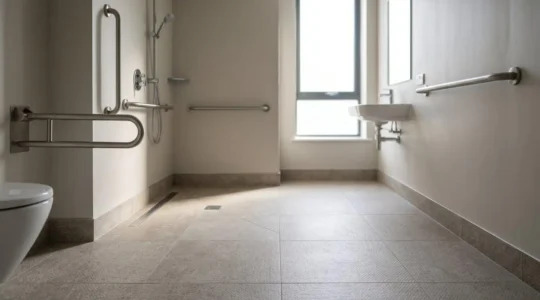
Tray or Wet Room: Which Walk-In Option Is Best for Future Wheelchair Use?
The decision between a wet room and a tray is secondary; the primary goal is creating a holistic ‘ecosystem of safety’ that anticipates future mobility needs. A true wet room offers zero-threshold access, eliminating the single greatest trip hazard, which…
Read more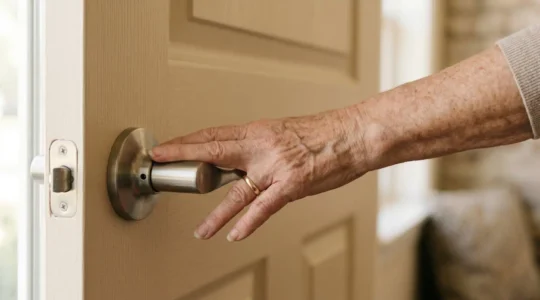
Why Replacing Round Doorknobs Is the First Step for Arthritis Friendly Homes?
The daily pain of gripping a round doorknob is more than just a nuisance; it’s the starting point of a “fatigue domino” that compromises safety throughout your home. This guide explains that by strategically replacing knobs with levers, you’re not…
Read more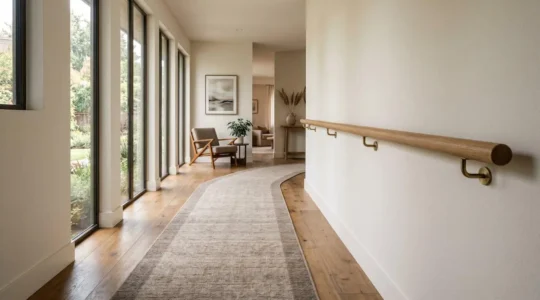
How to Fall-Proof Your Hallway Without Making It Look Like a Hospital?
The belief that senior safety requires sacrificing your home’s beauty is a myth. True fall-proofing isn’t about adding sterile, clinical aids; it’s about seamlessly integrating smart, stylish, and behavioral safety measures into your home’s existing character. This guide reveals how…
Read more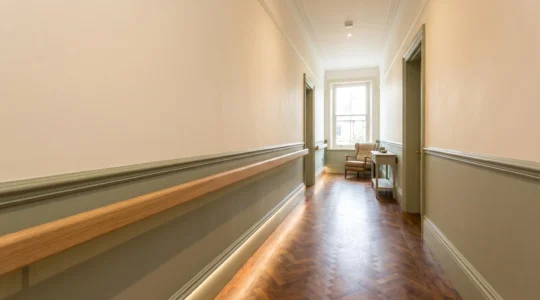
A Surveyor’s Guide to Retrofitting a Victorian Terrace for Safe Independent Living
Adapting a period home for safe ageing is not about surrendering its character to clinical equipment; it’s about a strategic retrofit focused on preserving your personal energy and biomechanical health. Small, targeted changes like removing trip hazards and upgrading handles…
Read more