Nutrition and lifestyle habits
Reaching your sixties doesn’t just bring a bus pass and grandchildren—it brings a completely rewritten rulebook for how your body processes food, burns energy, and responds to activity. The eating habits that served you well in your forties may now trigger afternoon energy crashes, unwanted weight gain, or even hidden malnutrition despite a full fridge. Meanwhile, your actual nutritional needs for certain nutrients have paradoxically increased, even as your appetite and calorie requirements shrink.
This fundamental mismatch—needing more of certain things whilst naturally eating less overall—sits at the heart of senior nutrition challenges. Add budget constraints, multiple health conditions, changing taste buds, and sometimes social isolation, and you face a complex puzzle. The good news? Understanding what’s changed and why gives you the knowledge to adapt intelligently. This isn’t about restrictive diets or expensive supplements, but about working with your body’s new operating system rather than against it.
Below, we’ll explore the core nutritional shifts that happen after 60, decode confusing advice about metabolism and blood sugar, share practical strategies for eating well on any budget, help you navigate professional support, and reveal how lifestyle habits like gardening can serve double duty for both physical and mental health.
Understanding Your Changing Nutritional Needs After 60
Your body’s relationship with food fundamentally shifts as you age. These aren’t minor tweaks—they’re significant metabolic and physiological changes that demand a different nutritional approach.
Why Protein Requirements Actually Increase with Age
Here’s a counterintuitive fact: whilst you need fewer overall calories, you need more protein per kilogram of body weight than you did in middle age—potentially even more than a younger bodybuilder relative to mass. This happens because older muscles become “resistant” to protein’s muscle-building signals, a condition called anabolic resistance. Think of it like a door that’s become stiff with age—you need to push harder (eat more protein) to get the same result (maintain muscle).
Research suggests seniors may need 1.0-1.2 grams of protein per kilogram of body weight daily, compared to 0.8 for younger adults. For a 70-kilogram person, that’s roughly 25-30 grams per meal spread across three meals. Hitting this target at breakfast without relying solely on eggs becomes crucial, especially after exercise—your muscles are most receptive to protein within about an hour of activity. Missing this window is like leaving money on the table.
Micronutrients That Matter Most: B12 and Beyond
Your stomach produces less acid as you age, which sounds minor until you realize stomach acid is essential for extracting vitamin B12 from food. Up to 30% of people over 60 can’t adequately absorb B12 from dietary sources alone, even whilst eating B12-rich foods. This vitamin is critical for nerve function, red blood cell formation, and preventing cognitive decline—deficiency creeps up silently with symptoms like fatigue, brain fog, and balance problems that are often dismissed as “just getting older.”
Similarly, vitamin D synthesis through skin decreases, calcium absorption becomes less efficient, and requirements for certain antioxidants increase whilst calorie intake typically drops. You’re essentially trying to pack more nutritional punch into fewer bites.
The Hidden Risk of Malnutrition in Seniors
Malnutrition in older adults rarely looks like starvation. More often, it’s the well-dressed person living on “tea and toast”—getting enough calories from refined carbohydrates whilst missing protein, vitamins, and minerals. Warning signs include unintentional weight loss, clothes becoming loose, frequent infections, slow wound healing, or feeling cold constantly. When appetite shrinks due to medication, loneliness, or reduced taste sensation, every bite needs to be nutrient-dense rather than just filling.
Managing Metabolism, Blood Sugar and Energy Levels
The afternoon slump that ruins your plans isn’t inevitable—it’s usually a sign your eating pattern isn’t matching your body’s current needs.
Why Your Metabolism Isn’t What It Used to Be
Let’s address the metabolism myth first: you can’t truly “boost” a slow metabolism with special foods or supplements. However, you can avoid accidentally slowing it further. Your basal metabolic rate naturally decreases by roughly 1-2% per decade after 30, primarily because you lose muscle mass (which burns more calories than fat, even at rest). A sedentary 70-year-old might need only 1,600-1,800 calories daily compared to 2,200-2,400 in their forties.
The dangerous trap? Skipping meals to “save calories” often backfires. Irregular eating can trigger a stress response that actually promotes fat storage and muscle breakdown—the opposite of what you want. Your body interprets erratic fuel supply as scarcity and becomes more conservative with energy expenditure.
Blood Sugar Control: The Key to Sustained Energy
After 60, you may develop some degree of insulin resistance even without diabetes—meaning your cells don’t respond as efficiently to insulin’s signal to absorb blood sugar. This explains why carbohydrates that once energized you now trigger sleepiness. When blood sugar spikes high then crashes low, you experience the classic post-lunch slump: drowsiness, brain fog, and sometimes irritability.
Subtle signs of insulin resistance include darkened skin on the neck or armpits, increased belly fat, or constant carb cravings. For some people, a 10-minute walk after meals proves more effective than medication for controlling blood sugar, because muscle contractions help glucose enter cells without needing as much insulin.
Meal Timing and Food Sequencing Strategies
Two simple adjustments can significantly impact energy levels:
- Vegetables first: Starting meals with non-starchy vegetables creates a fiber barrier that slows glucose absorption, potentially cutting blood sugar spikes by up to 30% compared to eating the same meal with carbohydrates first.
- Understanding GI vs GL: Glycaemic Index (GI) measures how fast a food raises blood sugar, but Glycaemic Load (GL) accounts for portion size. This is why watermelon (high GI, low GL) is actually fine—you’d need to eat an enormous amount to impact blood sugar—whilst white bread (high GI, high GL) genuinely problematic in typical servings.
- Protein at every meal: Including protein slows digestion and moderates blood sugar response whilst supporting muscle maintenance.
Practical Eating Strategies on Any Budget
Quality nutrition doesn’t require a premium grocery budget—it requires strategic thinking about what you buy and how you prepare it.
Making Every Bite Count When Appetite Shrinks
When you’re simply not hungry for large volumes, fortification becomes your friend. A basic bowl of porridge transforms into a nutritional powerhouse when you stir in ground flaxseed (omega-3s), a scoop of protein powder, and top with nuts and berries. You’re eating the same comfortable volume whilst tripling the nutrient density.
After surgery or illness, strategic eating becomes even more critical—adequate protein and specific micronutrients like vitamin C and zinc can accelerate wound healing by up to 50%. Small, frequent meals often work better than attempting three large ones when appetite is suppressed.
Affordable Nutrient-Dense Foods
Eating organic whole foods on a state pension isn’t impossible with smart prioritization. British-grown options often outperform expensive imports nutritionally:
- Tinned fish: Tinned mackerel or sardines rival fresh salmon for omega-3s at a fraction of the price
- Frozen vegetables: Often more nutritious than “fresh” produce that’s traveled for days, frozen within hours of harvest
- Pulses and lentils: Extraordinarily cheap protein that’s actually easier to digest than some meats for many seniors
- Oats: Versatile, filling, and heart-healthy at pennies per serving
- Seasonal local produce: Blackberries, kale, beetroot, and oily fish caught in British waters compete nutritionally with exotic superfoods
Food Preparation Methods That Preserve Nutrients
How you cook matters as much as what you cook. Steaming vegetables preserves significantly more water-soluble vitamins (like vitamin C and B vitamins) compared to boiling, where nutrients leach into cooking water that’s typically discarded. If you do boil, use minimal water and save it for soups or gravies to recapture those nutrients. Gentle cooking methods also make vegetables easier to chew and digest—important when dental issues or digestive sensitivity become factors.
Navigating Diet Advice and Professional Support
The nutrition information landscape is confusing even for experts. Here’s how to separate evidence-based guidance from potentially harmful trends.
Why One-Size-Fits-All Plans Don’t Work
Generic meal plans ignore the reality of multi-morbidity—having several chronic conditions simultaneously. What helps your blood pressure might worsen your kidney function; what’s recommended for diabetes might interact poorly with your medications. A plan that doesn’t account for your specific combination of conditions, medications, budget, cooking ability, cultural food preferences, and living situation is essentially useless.
This is precisely why “eat less, move more” can be dangerously oversimplified advice for frail seniors. Eating substantially less when you’re already at risk of malnutrition can accelerate muscle loss and increase fall risk. Movement is beneficial, but the type and intensity must match current functional capacity.
When to Seek Professional Dietary Guidance
Many people don’t realize they can request a dietitian referral from their GP for concerns beyond just weight loss—malnutrition risk, diabetes management, post-operative recovery, and managing multiple conditions all qualify. Importantly, understand the legal distinction: dietitians are regulated healthcare professionals who can diagnose and treat medical conditions through diet; nutritionists (unless also registered dietitians) cannot legally provide medical nutrition therapy for diagnosed illnesses. This distinction matters when your nutrition needs intersect with medical conditions.
Red Flags: Diet Trends to Approach with Caution
Certain popular diets carry specific risks for older adults:
- Keto and very-high-fat diets: Can stress ageing kidneys, especially problematic if kidney function is already declining (common after 60)
- Intermittent fasting: May interfere with medication timing, increase fall risk from low blood sugar, and make it harder to meet protein requirements in shortened eating windows
- Extreme calorie restriction: Risks accelerating muscle loss and bone density decline when you can least afford it
Any diet that eliminates entire food groups or promises dramatic rapid results deserves skeptical scrutiny, particularly if you’re managing chronic conditions or taking multiple medications.
Lifestyle Habits That Support Healthy Ageing
Nutrition doesn’t exist in isolation—your daily activities profoundly influence how your body uses the food you eat and how well you age overall.
Movement as Medicine: Beyond the Gym
Structured exercise is valuable, but daily movement matters more for most seniors. Walking for just 10 minutes after meals activates muscles to absorb blood glucose, reducing blood sugar spikes more effectively than remaining sedentary. This “movement snacking” throughout the day—stairs here, gardening there, walking to shops—accumulates substantial benefits without requiring gym membership or special equipment.
Gardening: The Multi-Benefit Activity
An allotment or garden delivers remarkable bang for buck across multiple health dimensions. Physically, digging movements engage core and leg muscles similarly to gym squats whilst being more functional and back-protective when done with proper technique. You’re building strength whilst producing food—double efficiency.
The mental health benefits are equally compelling. Contact with soil bacteria may influence serotonin production (the “getting dirty makes you happy” phenomenon isn’t just folklore—there’s emerging research on Mycobacterium vaccae in soil). Growing for competition sharpens focus and provides meaningful goals. Even winter planning when the ground is frozen keeps your mind engaged in forward-thinking.
Social Connection Through Food and Activity
Loneliness and social isolation are independent risk factors for malnutrition and cognitive decline. Gardening clubs, allotment committees (politics and all), cooking groups, or simply sharing meals with others serve crucial social functions. Yes, committee disputes can be frustrating, but that social engagement—even when mildly annoying—keeps your brain active and provides routine and purpose. Humans are social eaters; we naturally consume more varied, nutritious foods when eating with others compared to eating alone.
The person who gardens, stays socially connected, walks regularly, and eats mindfully is addressing nutrition, physical health, mental wellbeing, and cognitive function simultaneously—far more efficiently than any single intervention could achieve.
Your nutrition and lifestyle needs after 60 are genuinely different from earlier decades, but different doesn’t mean difficult once you understand the underlying changes. The key is replacing old assumptions with current knowledge: more protein despite fewer calories, strategic food choices within any budget, movement integrated naturally into daily life, and social connection as a pillar of healthy ageing. Each article in this category explores these themes in practical depth—dive into whichever resonates most urgently with your current situation.
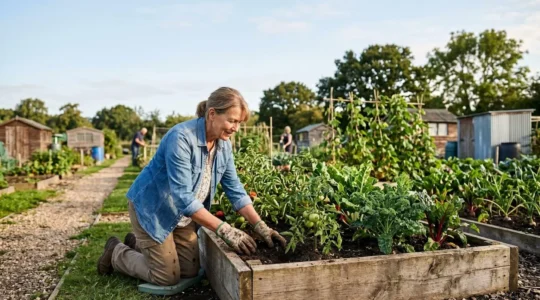
Why the Allotment Is the Ultimate Anti-Ageing Gym and Club?
The secret to anti-ageing isn’t found in a sterile gym or a separate social club—it’s in the one place that combines the best of both: the community allotment. It provides ‘functional fitness’ that strengthens the body for everyday life far…
Read more
Why Can’t You Eat Like You Did in Your 40s Without Gaining Weight?
It’s not your fault. The weight gain you’re seeing isn’t a lack of discipline but a predictable biological shift. Past your 60s, your body operates under new rules due to muscle loss (sarcopenia) and ‘anabolic resistance,’ making it less efficient…
Read more
How to Avoid the “Post-Lunch Slump” That Ruins Your Afternoon
The post-lunch crash isn’t an inevitable part of aging; it’s a direct signal of a mismatched fuel strategy in your body’s metabolic engine. Your body’s ability to process carbohydrates changes significantly after 60, largely due to age-related muscle loss and…
Read more
How to Get 30g of Protein at Breakfast Without Eggs
In summary: Seniors experience ‘anabolic resistance,’ requiring ~30g of protein per meal, especially at breakfast, to trigger muscle growth, a target unachievable with just a piece of toast. The solution is ‘stealth fortification’: enhancing familiar foods like porridge with texture-friendly…
Read more
Why a Generic Meal Plan Fails for Seniors with Multi-Morbidity
For seniors managing multiple health issues like diabetes and high blood pressure, generic diet advice is not just ineffective—it’s a clinical risk. Standard “eat less” advice can dangerously accelerate muscle loss (sarcopenia), increasing frailty and fall risk. Conflicting dietary needs…
Read more
How to Eat Nutrient-Dense Meals When Your Appetite Is Shrinking?
The core challenge of aging isn’t just a smaller appetite; it’s that your body needs *more* specific nutrients while being able to eat *less*. Physiological changes, like reduced stomach acid, make it harder to absorb key vitamins like B12 from…
Read more